
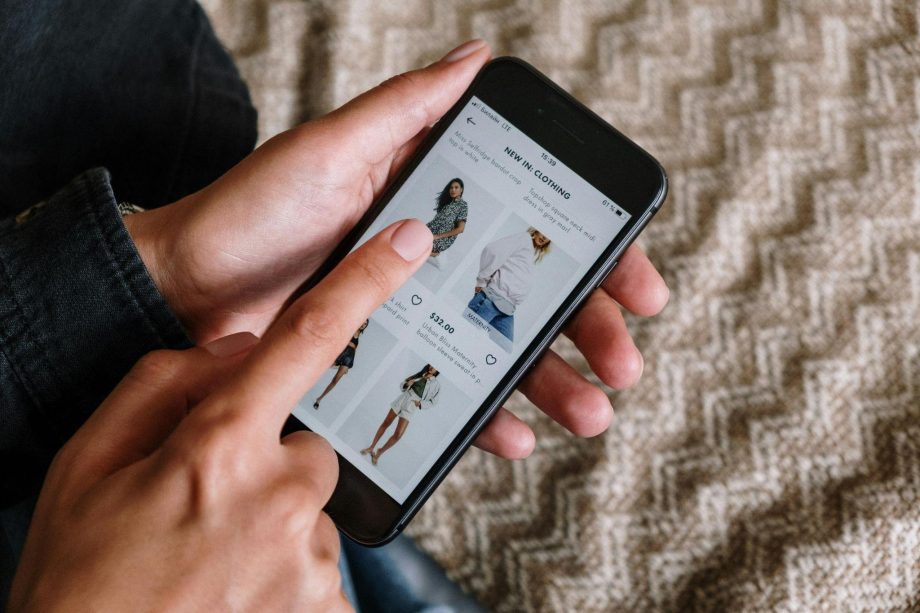
The fashion industry generates approximately 10% of global carbon emissions and produces vast amounts of textile waste annually. As awareness grows about the environmental and ethical costs of our clothing choices, sustainable fashion has emerged as a powerful way to align personal style with planetary health. This shift isn’t about perfection—it’s about making more conscious decisions that collectively create meaningful change.
Understanding Sustainable Fashion and Why It Matters
The concept of sustainable fashion extends far beyond trendy eco-labels. It represents a fundamental rethinking of how we produce, consume, and dispose of clothing. Many people mistakenly believe that sustainable fashion means sacrificing style or spending exorbitantly, but the reality involves strategic choices that benefit both your wardrobe and the world.
What Sustainable Fashion Really Means
Sustainable fashion encompasses several interconnected principles that prioritize people and planet alongside profit:
- Ethical labor practices: Fair wages, safe working conditions, and respect for garment workers’ rights throughout the supply chain
- Environmentally responsible materials: Use of organic, recycled, or low-impact fabrics that minimize pollution and resource depletion
- Circular production models: Designing for durability, repairability, and eventual recycling rather than planned obsolescence
- Transparency and accountability: Brands openly sharing information about their manufacturing processes and environmental impact
- Reduced waste: Minimizing excess inventory, packaging waste, and textile disposal through thoughtful production
According to the Ellen MacArthur Foundation, extending the active life of clothing by just nine months can reduce carbon, water, and waste footprints by around 20-30% each.
Environmental and Social Impact of Conventional Fashion
The fast fashion model has created severe consequences that extend far beyond overflowing closets:
- Water pollution: Textile dyeing is the second-largest polluter of water globally, releasing toxic chemicals into rivers and oceans
- Massive waste generation: The equivalent of one garbage truck of textiles is landfilled or incinerated every second worldwide
- Carbon emissions: Synthetic fiber production and garment transportation contribute significantly to climate change
- Labor exploitation: Many garment workers, predominantly women, face poverty wages and unsafe conditions
- Microplastic pollution: Washing synthetic fabrics releases millions of microfibers into waterways with each cycle
Assessing Your Current Wardrobe and Shopping Habits
Before purchasing anything new, examine what you already own. The most sustainable garment is the one already hanging in your closet. This evaluation process helps you understand your actual needs versus impulsive wants, creating a foundation for more intentional consumption.
How to Audit Your Wardrobe
A thorough wardrobe audit reveals patterns and gaps without judgment:
- Remove everything from your closet and drawers, creating a complete visual inventory
- Sort items into categories: frequently worn, occasionally worn, and never/rarely worn
- Identify pieces that no longer fit, need repairs, or don’t align with your current lifestyle
- Note gaps in your wardrobe—what occasions leave you feeling unprepared?
- Recognize your most-worn items to understand your authentic style preferences
- Set aside donation candidates in good condition and items needing mending
- Photograph your wardrobe for reference when tempted by duplicate purchases
Identifying Unsustainable Shopping Patterns
Recognizing problematic habits is essential for lasting change:
- Purchasing trendy items you wear fewer than three times before abandoning them
- Shopping as entertainment or emotional therapy rather than fulfilling genuine needs
- Buying poor-quality items repeatedly instead of investing in durable alternatives
- Accumulating multiples of similar items (the fifth black t-shirt syndrome)
- Making impulsive purchases without considering existing wardrobe compatibility
- Ignoring care instructions, leading to premature garment deterioration
Choosing Sustainable Clothing Materials and Brands
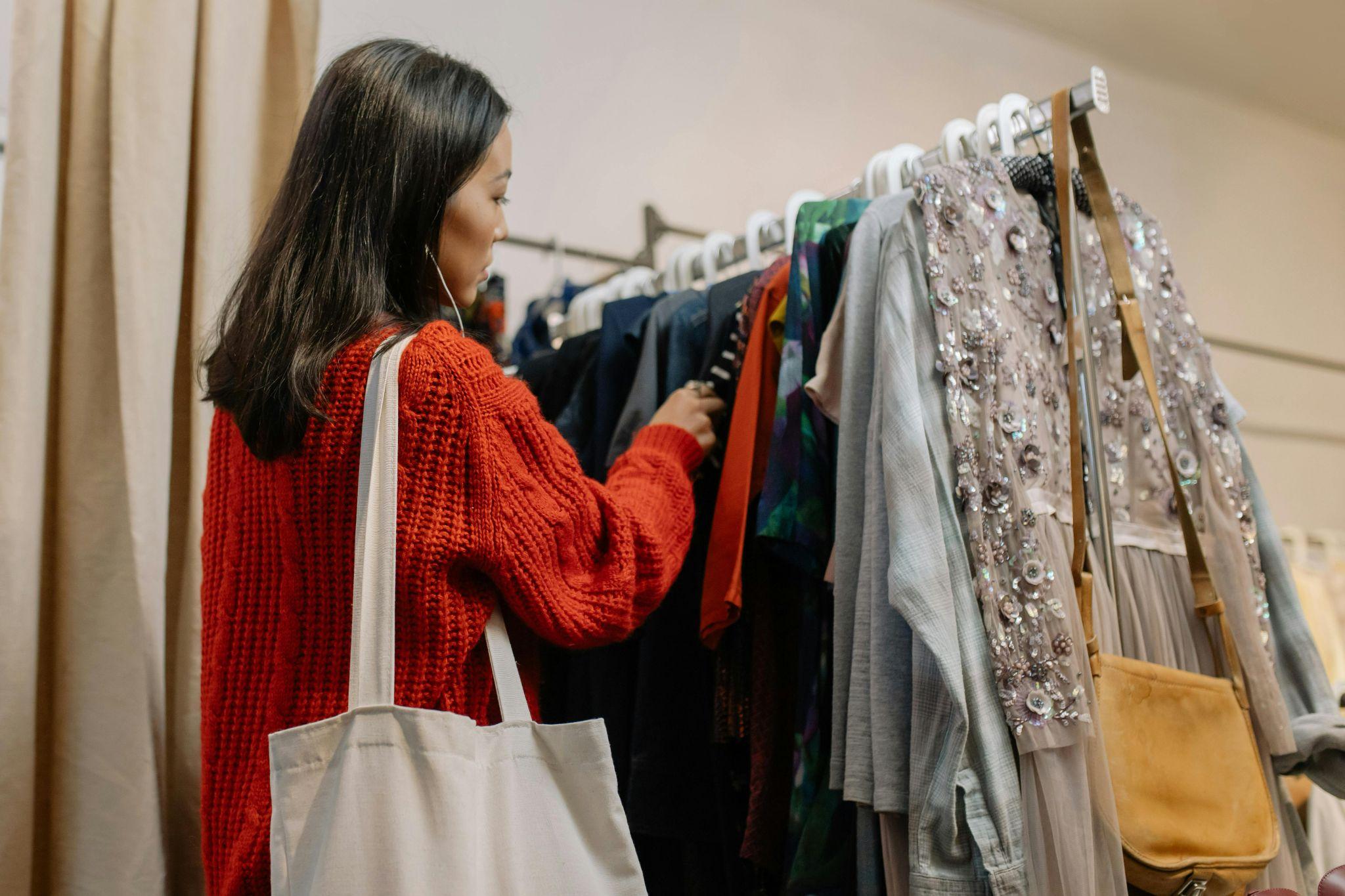
Material selection and brand transparency significantly impact your fashion footprint. Understanding fabric properties and company ethics empowers smarter purchasing decisions that extend beyond superficial green marketing claims.
Eco-Friendly Fabrics and Materials to Look For
| Material | Benefits | Considerations |
|---|---|---|
| Organic cotton | Grown without pesticides, less water-intensive than conventional | Still requires significant water; look for GOTS certification |
| Linen | Biodegradable, requires minimal water and pesticides | Wrinkles easily; best for relaxed styles |
| Hemp | Extremely durable, enriches soil, needs little water | Limited availability; can feel stiff initially |
| Recycled polyester | Diverts plastic from landfills, reduces virgin material demand | Still sheds microplastics when washed |
| Tencel/Lyocell | Made from sustainably harvested wood pulp, closed-loop production | More expensive than conventional fabrics |
| Wool (ethical) | Renewable, biodegradable, long-lasting | Ensure mulesing-free and regenerative farming practices |
The Textile Exchange provides comprehensive research on sustainable fiber production and industry standards.
How to Evaluate Ethical and Sustainable Brands
Move beyond marketing buzzwords with this brand evaluation framework:
- Research third-party certifications like Fair Trade, B Corp, GOTS, or Bluesign
- Examine transparency reports detailing factory locations, wages, and environmental metrics
- Investigate the brand’s commitment to living wages versus minimum wages
- Look for take-back or recycling programs demonstrating circular economy commitment
- Check if the company publishes annual sustainability reports with measurable goals
- Verify whether materials sourcing is traceable and responsibly managed
- Assess packaging practices and carbon offset initiatives
Building a Versatile and Sustainable Wardrobe
Minimalism and sustainability naturally complement each other. A thoughtfully curated wardrobe reduces decision fatigue, maximizes outfit combinations, and eliminates waste from unworn purchases. Quality pieces that genuinely reflect your style will always outperform quantity.
Capsule Wardrobes and Timeless Style Choices
A capsule wardrobe typically contains 25-40 versatile pieces that mix and match effortlessly:
- 5-7 tops in neutral colors with 2-3 statement pieces
- 3-4 bottoms (pants, jeans, skirts) in complementary styles
- 2-3 dresses suitable for multiple occasions
- 2-3 layering pieces (cardigans, blazers, sweaters)
- 1-2 outerwear options appropriate for your climate
- 3-4 pairs of shoes covering casual, professional, and formal needs
- Essential accessories that add personality without clutter
Quality Over Quantity: Investing in Longevity
Durability transforms how we calculate clothing value:
- Examine construction: Check seam quality, reinforced stress points, and secure button attachments
- Calculate cost-per-wear: A $200 coat worn 200 times costs $1 per wear versus a $50 coat worn 10 times at $5 per wear
- Choose classic cuts: Timeless silhouettes outlast trend-driven designs by years
- Invest strategically: Prioritize quality for frequently worn categories like outerwear and footwear
Sustainable Fashion Beyond Buying New Clothes
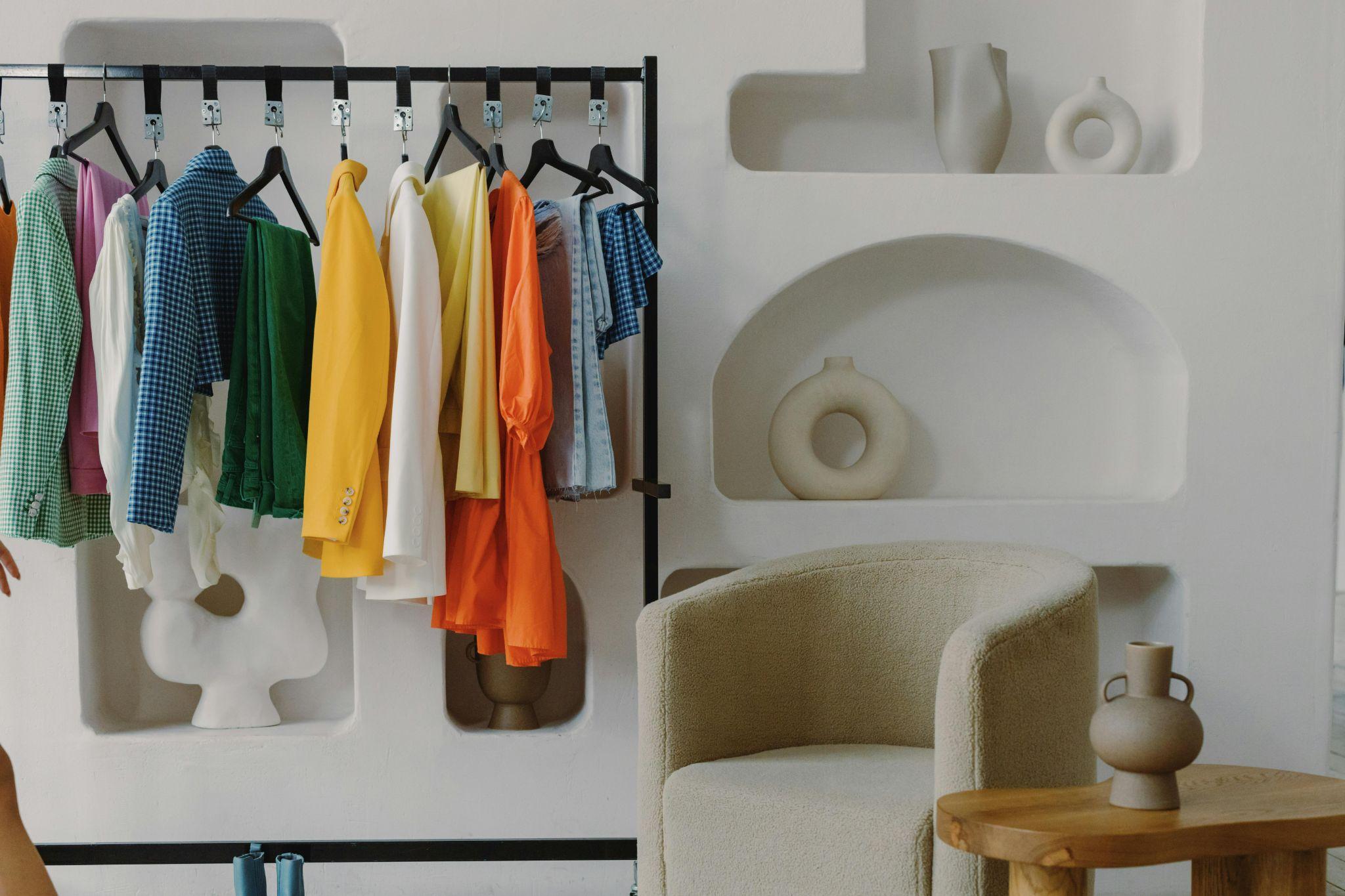
True sustainability embraces circular fashion principles—keeping garments in use as long as possible through resale, repair, and creative reuse. These practices dramatically reduce environmental impact while often saving money.
Thrifting, Secondhand, and Clothing Swaps
The secondhand market offers numerous environmental and financial advantages:
- Reduces demand for new production and its associated resource consumption
- Diverts perfectly usable clothing from landfills
- Provides access to unique, vintage, or discontinued items
- Costs significantly less than retail while often offering higher quality
- Supports local thrift stores and community organizations
- Creates opportunities for clothing swaps with friends or community groups
Repair, Upcycling, and Proper Clothing Care
Extending garment lifespan is perhaps the most impactful sustainability action:
- Learn basic mending skills like sewing buttons, hemming, and patching holes
- Wash clothes less frequently using cold water and gentle cycles
- Air-dry whenever possible to prevent heat damage and shrinkage
- Store seasonal items properly to prevent moth damage and mildew
- Transform outdated pieces through dyeing, embroidery, or structural alterations
- Support local tailors and repair services to professionally restore valuable items
Making Sustainable Fashion a Long-Term Lifestyle Habit
Sustainability is a journey requiring patience and self-compassion. Progress matters more than perfection, and small consistent changes create lasting impact over time. Focus on building habits that feel authentic rather than adopting someone else’s entire system.
Setting Realistic Goals and Budgeting Mindfully
| Timeline | Achievable Goal | Budget Approach |
|---|---|---|
| Month 1-3 | Complete wardrobe audit; establish no-buy period | Spend saved money on quality basics |
| Month 4-6 | Learn basic repairs; try thrift shopping | Allocate 70% of clothing budget to secondhand |
| Month 7-12 | Build capsule wardrobe; research 3-5 sustainable brands | Save for one investment piece quarterly |
| Year 2+ | Maintain buying habits; explore advanced skills | Balance quality purchases with secondhand finds |
Influencing Others and Supporting Systemic Change
Individual choices matter, but collective action drives industry transformation:
- Share your sustainable fashion journey authentically on social media without preaching
- Support legislation promoting transparency and environmental standards
- Engage with brands directly, requesting sustainability improvements
- Participate in community initiatives like repair cafés and swap events
- Educate yourself continuously about fashion industry developments and alternatives
Conclusion
Incorporating sustainable fashion into your lifestyle represents a powerful intersection of personal values, environmental stewardship, and thoughtful consumption. By auditing your wardrobe, choosing quality over quantity, embracing secondhand options, and supporting ethical brands, you create a style that reflects both who you are and the world you want to create. Remember that every conscious choice—from repairing a beloved garment to researching a brand’s labor practices—contributes to a more sustainable fashion ecosystem. Start where you are, use what you have, and let your wardrobe tell a story of intentionality, respect, and lasting style.