
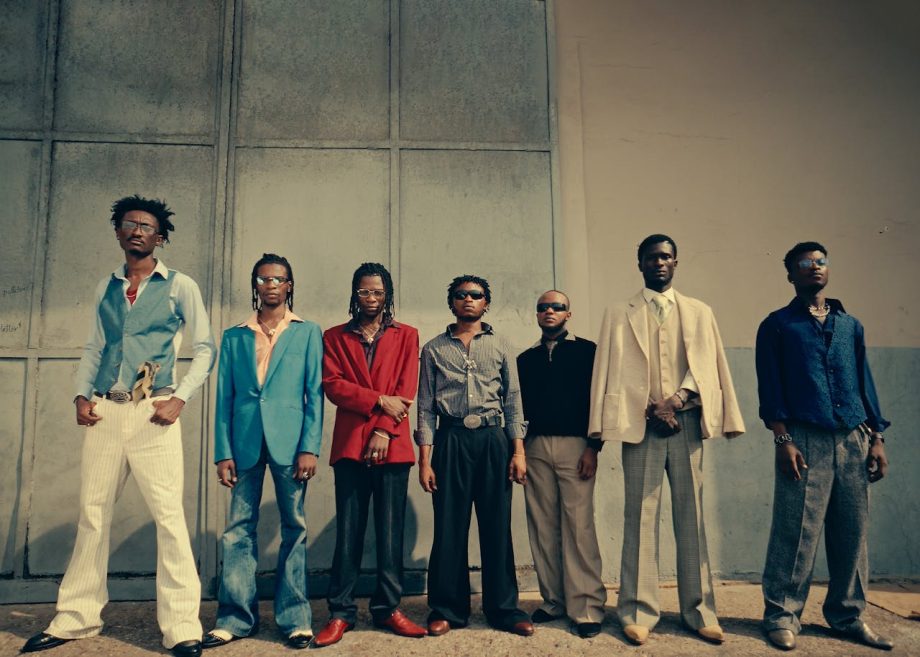
The fashion industry is one of the world’s largest polluters, responsible for an estimated 10% of annual global carbon emissions. Sustainable fashion — the practice of choosing clothing that minimizes environmental harm and supports ethical production — is no longer a niche trend; it’s a necessary shift in how we consume.
What Is Sustainable Fashion and Why It Matters
Sustainable fashion encompasses clothing designed, manufactured, distributed, and used in ways that are environmentally friendly and socially responsible. As consumers become more aware of the hidden costs of cheap clothing, the movement toward mindful consumption is reshaping the global apparel market.
Key Principles of Sustainable Fashion
- Eco-friendly materials — prioritizing organic, recycled, or biodegradable fibers
- Ethical labor practices — ensuring fair wages, safe conditions, and no exploitation
- Slow fashion — buying less, choosing quality, and wearing items longer
- Circular economy — designing for reuse, repair, and end-of-life recycling
- Transparency — brands disclosing supply chains and environmental impact
- Local and small-batch production — reducing carbon footprint from shipping and overproduction
Environmental and Social Impact of Fast Fashion
| Category | Fast Fashion | Sustainable Fashion |
|---|---|---|
| Annual CO₂ emissions | ~1.2 billion tonnes | Significantly lower through reduced production |
| Water usage (per kg of cotton) | ~10,000 liters | ~70% less with organic cotton |
| Average garment lifespan | 7–10 wears | 2–3 years or more |
| Worker wages | Often below living wage | Fair trade certified wages |
| End-of-life disposal | ~85% goes to landfill | Designed for recycling or composting |
Building a Sustainable Wardrobe from Scratch
Transitioning to a sustainable wardrobe doesn’t happen overnight. Think of it as a gradual process of intentional replacement — working with what you already own and making smarter choices as you grow. Small, consistent decisions compound into meaningful change.
Audit Your Current Closet
- Remove everything and assess each item honestly
- Ask: “Have I worn this in the past year?”
- Identify duplicates and items that no longer fit your lifestyle
- Separate into Keep, Donate, Repair, and Sell piles
- Note which categories you genuinely lack before shopping
Define Your Personal Style
Without a clear style identity, it’s easy to impulse-buy items that never get worn. A capsule wardrobe — a curated set of versatile, timeless pieces — reduces the urge to chase trends.
| Category | Suggested Items | Quantity |
|---|---|---|
| Tops | Neutral tees, button-down shirts | 5–7 |
| Bottoms | Classic jeans, tailored trousers, versatile skirt | 3–4 |
| Outerwear | Trench coat, denim jacket | 2 |
| Footwear | White sneakers, ankle boots, sandals | 3 |
| Dresses/Jumpsuits | Day-to-evening transitional piece | 1–2 |
Prioritize Quality Over Quantity
The cost-per-wear (CPW) formula reframes how you evaluate value: CPW = Total Price ÷ Number of Times Worn. A $200 jacket worn 100 times costs $2 per wear — far less than a $30 jacket worn 5 times at $6 per wear. Investing in durable pieces is both economically and environmentally sound.
Choosing Sustainable Brands and Materials

With greenwashing rampant in the industry, knowing how to evaluate a brand’s true sustainability credentials is essential. Good On You, a leading brand rating platform, evaluates companies on planet, people, and animal criteria — a reliable resource for conscious shoppers.
How to Identify Ethical and Sustainable Brands
- Look for certifications: GOTS (Global Organic Textile Standard), Fair Trade, B Corp, OEKO-TEX
- Check if the brand publishes a transparent supply chain report
- Avoid vague claims like “eco-friendly” or “green” with no data to back them
- Research whether the brand discloses factory locations and working conditions
- Watch for red flag pricing — unsustainably low prices often mean corners are cut
Best Sustainable Fabrics to Look For
| Fabric | Key Benefit | Best Use |
|---|---|---|
| Organic Cotton | No synthetic pesticides; biodegradable | Everyday basics, t-shirts |
| Hemp | Requires minimal water; naturally pest-resistant | Casual wear, bags |
| Tencel (Lyocell) | Closed-loop production; soft and breathable | Blouses, activewear |
| Recycled Polyester | Diverts plastic waste; lower energy footprint | Outerwear, athletic wear |
| Linen | Low water use; fully biodegradable | Summer clothing, home wear |
Questions to Ask Before Buying
- Do I already own something that serves this purpose?
- Will I wear this at least 30 times?
- Is this made from a sustainable or recycled material?
- Does this brand have verifiable ethical certifications?
- Can I find this second-hand instead?
Embracing Second-Hand and Circular Fashion
Buying pre-loved clothing is one of the highest-impact choices a consumer can make. It extends garment lifespan, reduces textile waste, and keeps perfectly good clothing out of landfills — all while saving money.
Benefits of Thrifting and Vintage Shopping
- Significantly lower prices compared to retail
- Access to unique, one-of-a-kind pieces not available in mainstream stores
- Reduced demand for new production and its associated emissions
- Opportunity to find high-quality vintage items that outlast modern fast fashion
Online Platforms and Local Options
- Apps & Online: Depop, ThredUp, Poshmark, Vestiaire Collective, eBay
- Local Stores: Thrift shops, charity stores, vintage boutiques, consignment stores
- Community Swaps: Clothing swaps hosted by community groups, schools, or social media groups
Clothing Swaps and Rental Fashion
| Option | Pros | Cons |
|---|---|---|
| Clothing Swaps | Free, social, refreshes wardrobe without spending | Limited sizing and availability |
| Rental Fashion | Access to premium items for special occasions | Ongoing cost; not suitable for everyday wear |
Caring for Your Clothes to Extend Their Lifespan
The most sustainable garment is the one you already own. Proper care dramatically extends the life of your clothing, reducing the need for replacement and keeping textiles out of landfills.
Proper Washing and Storage Techniques
- Wash clothes in cold water — it uses up to 90% less energy than hot water cycles
- Turn garments inside out to reduce color fading and surface wear
- Use a mesh laundry bag for delicates and synthetic fabrics
- Air dry whenever possible — machine drying degrades fabric fibers rapidly
- Store knitwear folded (never hung) to prevent stretching
- Use cedar blocks instead of chemical moth repellents
Repair, Upcycle, and DIY Fashion
- Learn basic stitching to fix loose buttons and small tears
- Patch denim with decorative fabric pieces for a custom look
- Dye faded garments to refresh their color
- Transform worn jeans into shorts or a denim skirt
- Use local tailors or cobblers for professional repairs
When to Let Go: Responsible Disposal
- Still wearable? → Donate to local charities or sell on resale platforms
- Worn but fixable? → Repair before discarding
- Beyond repair? → Use as cleaning rags or drop off at textile recycling bins
- Brand take-back? → Many sustainable brands offer garment return programs
Sustainable Fashion on a Budget
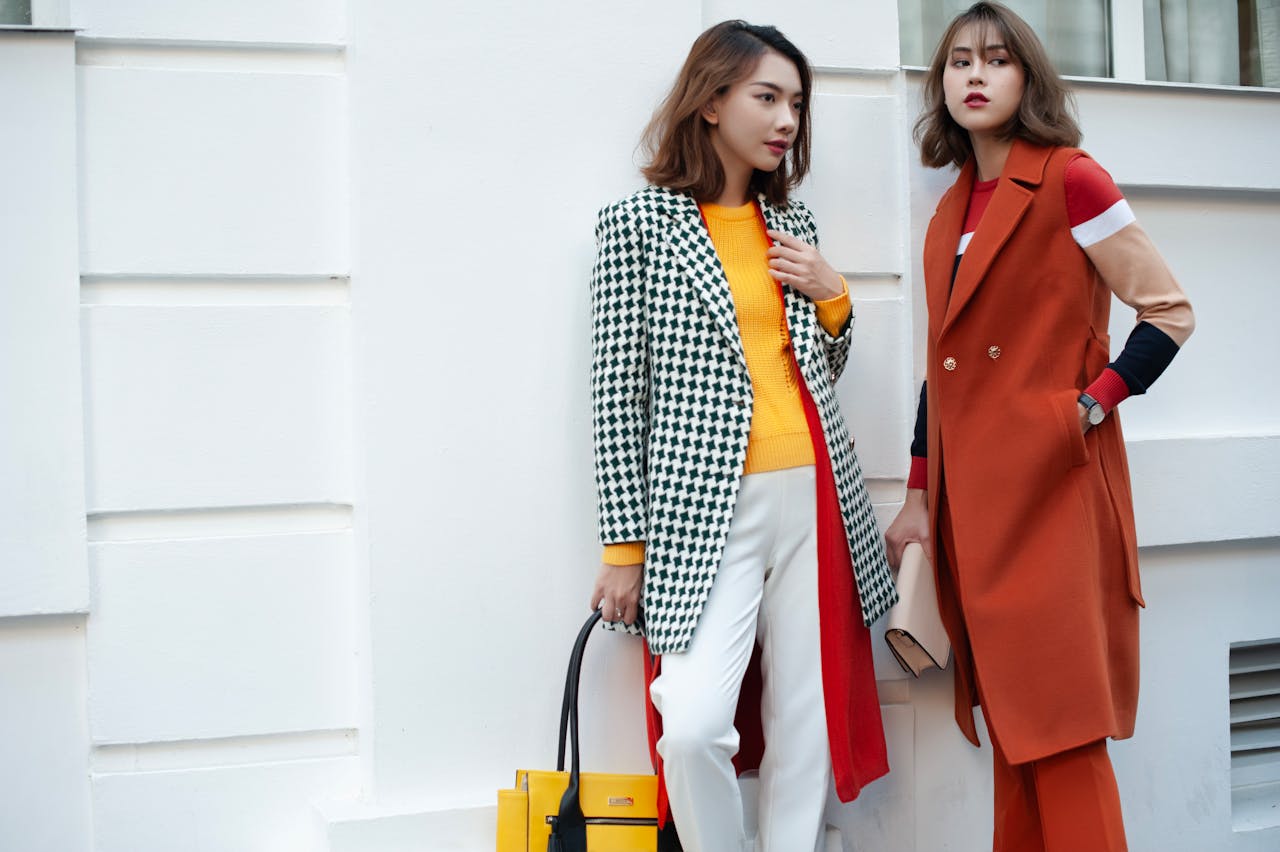
One of the biggest misconceptions about sustainable fashion is that it requires a premium budget. In reality, the most affordable approach is buying less and buying smarter — and second-hand shopping makes eco-conscious choices accessible to virtually everyone.
Budget-Friendly Shopping Strategies
- Shop end-of-season sales at sustainable brands for 30–50% discounts
- Set a monthly clothing budget and stick to it
- Prioritize second-hand platforms before buying new
- Invest in one high-quality piece per season rather than multiple cheap items
- Use wishlists — wait 30 days before purchasing to filter impulse buys
Cost-Per-Wear Calculation Explained
| Item | Price Paid | Estimated Wears | Cost-Per-Wear |
|---|---|---|---|
| Fast fashion top | $15 | 8 | $1.88 |
| Quality linen shirt | $90 | 120 | $0.75 |
| Second-hand blazer | $25 | 80 | $0.31 |
Avoiding Impulse Buying
- Unsubscribe from retailer promotional emails
- Avoid browsing fashion apps without a specific need
- Define your personal uniform — a consistent aesthetic that anchors buying decisions
- Ask: “Does this serve a gap, or am I just excited by novelty?”
Incorporating Sustainable Fashion into Daily Life
Sustainability becomes effortless when it shifts from a series of choices into an ingrained lifestyle habit. The key is building systems — routines and mindsets — that make conscious consumption your default.
Creating a Sustainable Shopping Routine
- Conduct a seasonal wardrobe review (twice a year)
- Create a “needs list” and shop only from it
- Research brands before purchasing — check ratings on Good On You
- Batch purchases rather than buying one item at a time to reduce packaging waste
Building Mindful Consumption Habits
- Follow the one-in, one-out rule: donate or sell before adding something new
- Embrace minimalism — a smaller, curated wardrobe reduces decision fatigue
- Celebrate rewearing outfits rather than always needing something “new”
- Value experiences over accumulation
Influencing Others and Supporting Change
Individual change is amplified through community. Share your sustainable choices openly — not preachy, but authentically. Recommend second-hand platforms to friends, organize a clothing swap, or simply post a thrifted outfit. Collective consumer behavior sends powerful market signals that drive industry reform.
Common Mistakes to Avoid in Sustainable Fashion
Even well-intentioned shoppers fall into traps that undermine their sustainability goals. Recognizing these pitfalls early keeps your efforts meaningful and consistent.
Greenwashing and Misleading Claims
- Vague buzzwords: “eco,” “green,” “natural” without certification
- Single-product “sustainable lines” from otherwise fast-fashion giants
- Carbon offset claims without transparent methodology
- No published supplier list or audit reports
Overconsumption of “Sustainable” Products
Buying 10 “sustainable” items instead of 2 is still overconsumption. The greenest garment is one you don’t buy. Beware of the paradox where sustainability marketing triggers more purchasing, not less — the goal is always reduction first, then conscious replacement.
Ignoring Longevity and Versatility
- Avoid trend-specific pieces even from sustainable brands — they become unwanted quickly
- Choose neutral, timeless colors and silhouettes that work across seasons
- Before buying, mentally style the item with at least three existing outfits
- Prioritize fabric durability over aesthetics alone
Conclusion
Sustainable fashion is a journey, not a destination. There is no such thing as a perfectly sustainable wardrobe — every step toward mindfulness, durability, and ethical sourcing counts. Start where you are: audit your closet, shop second-hand before new, care for what you own, and ask hard questions of the brands you support. Small, consistent choices accumulate into a powerful shift — both in your personal impact and in the broader consumer signals that shape how the fashion industry evolves. The most stylish thing you can wear is intention.